Plastic Newspaper
Exhibition
From 21 March to 6 September
Curator: Marie Canet
Press preview and opening: Friday 20 March 2026.
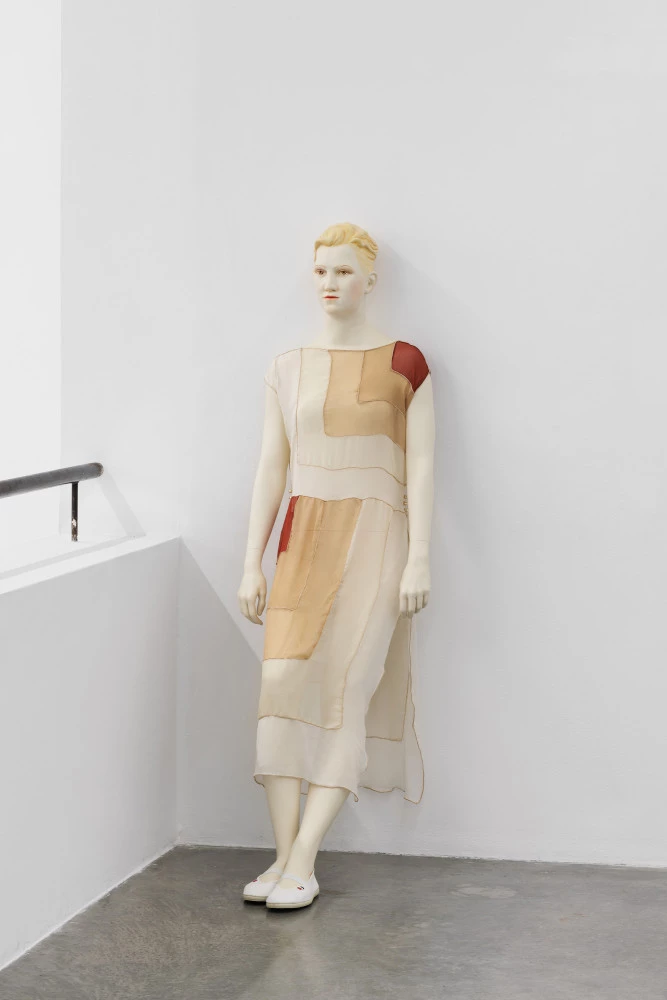
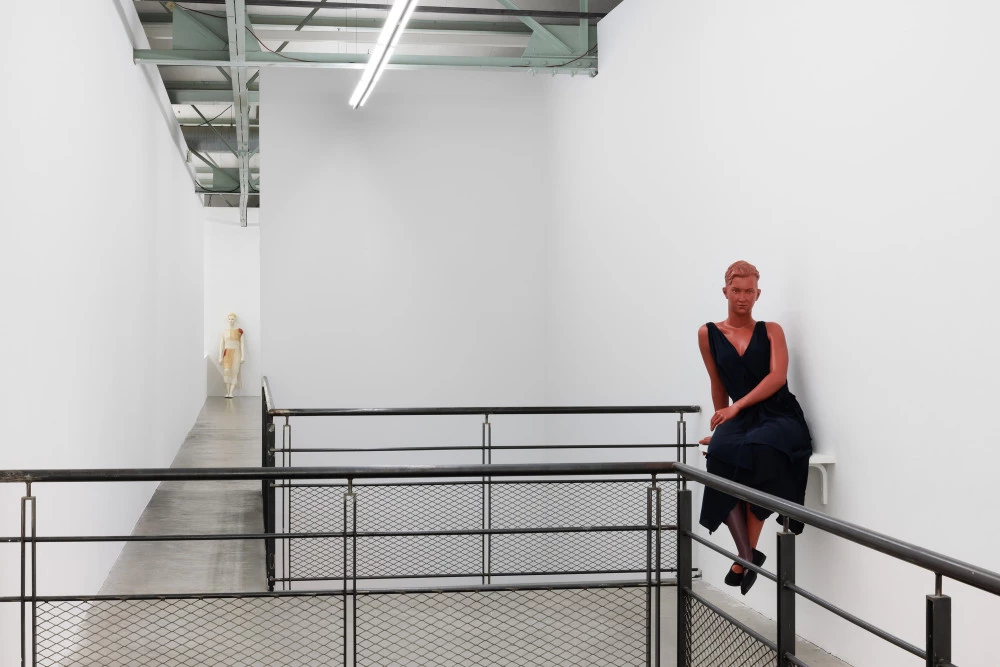
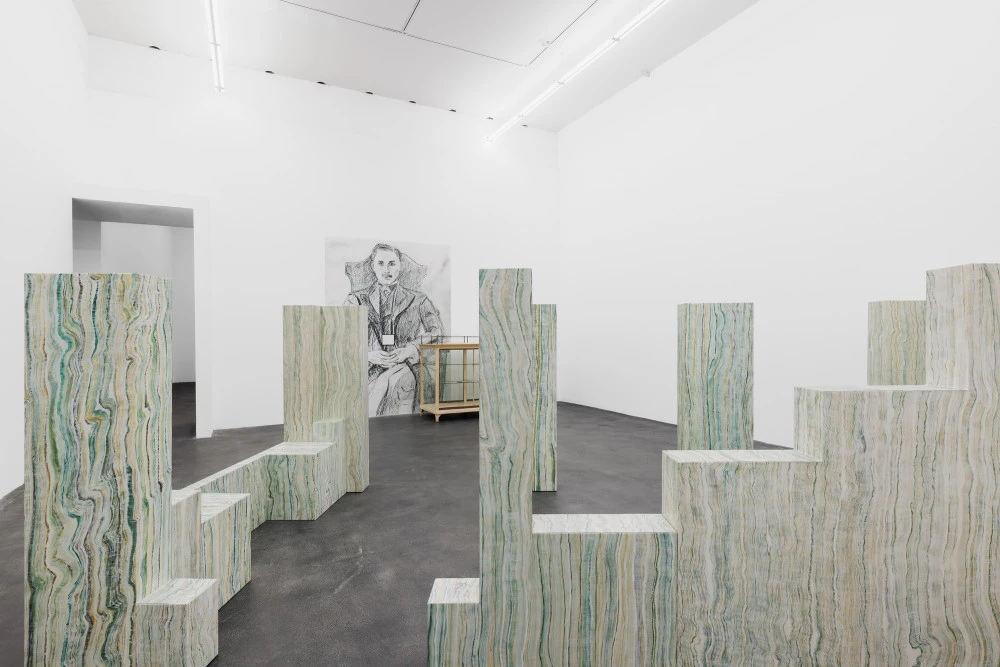
The exhibition Plastic Newspaper at the Crac Occitanie is the third instalment of a travelling project that began in September 2024 at Z33 in Hasselt (Belgium), and then moved to fjk3 —Contemporary Art Space in Vienna (Austria) in 2025. In this cycle, Lucy McKenzie examines the first forms of mass entertainment that appeared in the modern era. She explores their formal and cultural inventions that contributed to transforming everyday life into a permanent spectacle—such as painted panoramas, and sites devoted to art, science, and entertainment, where playful experiences and the rise of mass spectatorship converge.
Lucy McKenzie was born in 1977 in Glasgow (Scotland). She lives and works in Brussels. She studied at the Duncan of Jordanstone College of Art & Design in Dundee (Scotland), then specialised in trompe-l’œil at the Institut Supérieur de Peinture Van der Kelen Logelain in Brussels (Belgium). There she learned the foundations of decorative painting: preparation of surfaces, imitation of natural materials like marble and wood, and the play of ornamental illusion.
The artist works in the wider field of painting—often figurative and conceptual. Her appropriation practice aims to establish dialogue between seemingly antagonistic techniques and forms of knowledge, and to highlight the distinctiveness of these forms—be they from the realms of technique (traditional and contemporary), design, sculpture, underground cultures, or mass media.
The exhibition is organised in collaboration with z33, House for Contemporary Art, Design & Architecture (Hasselt, Belgium), fjk3 — Contemporary Art Space (Vienna, Austria), Galerie Buchholz (Berlin/Cologne, Germany), Cabinet Gallery (London, UK) and with the participation of the University of Montpellier and the Faculty of Medicine of the University of Montpellier Nîmes (Montpellier, France).
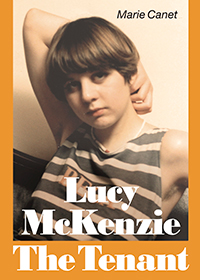
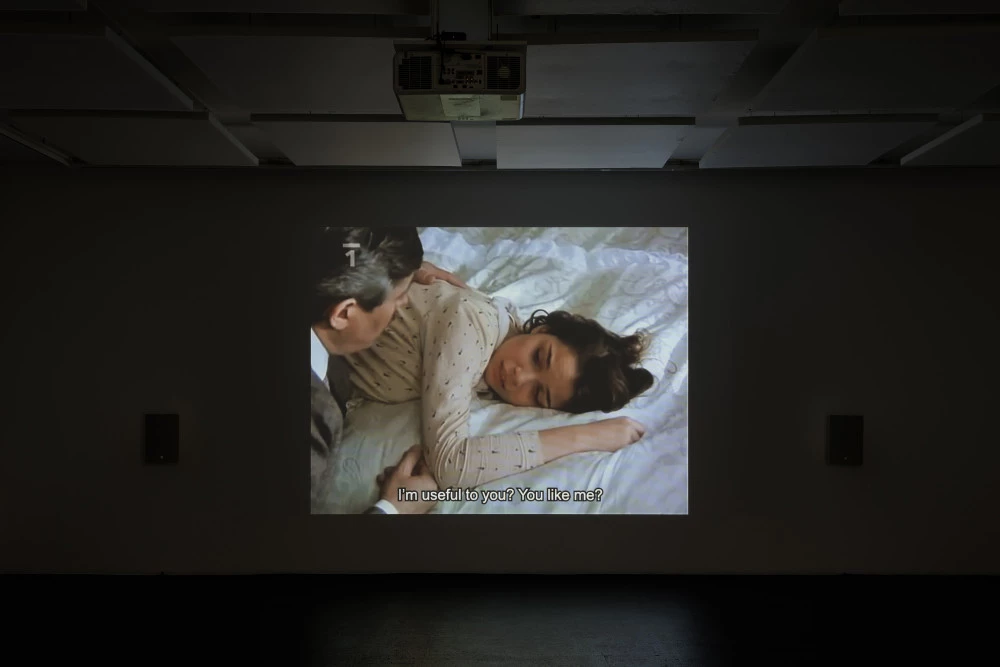
The exhibition is accompanied by a monographic essay by Marie Canet, analysing the links between pornography and special effects in the artist’s practice:
Lucy McKenzie, The Tenant, Bierke Verlag, Berlin, 2026.
The book is available in English and French editions.
Sunday 7 June at 4pm:
A tour proposed by Marie Canet in the exhibition Plastic Newspaper will be followed by the launch of the book and a friendly get-together.
In partnership with the bookshop L’Echappée belle.
[1] Vanessa R. Schwartz, Spectacular Realities : Early Mass Culture in Fin-de-Siècle Paris, Berkeley, University of California Press, 1998.
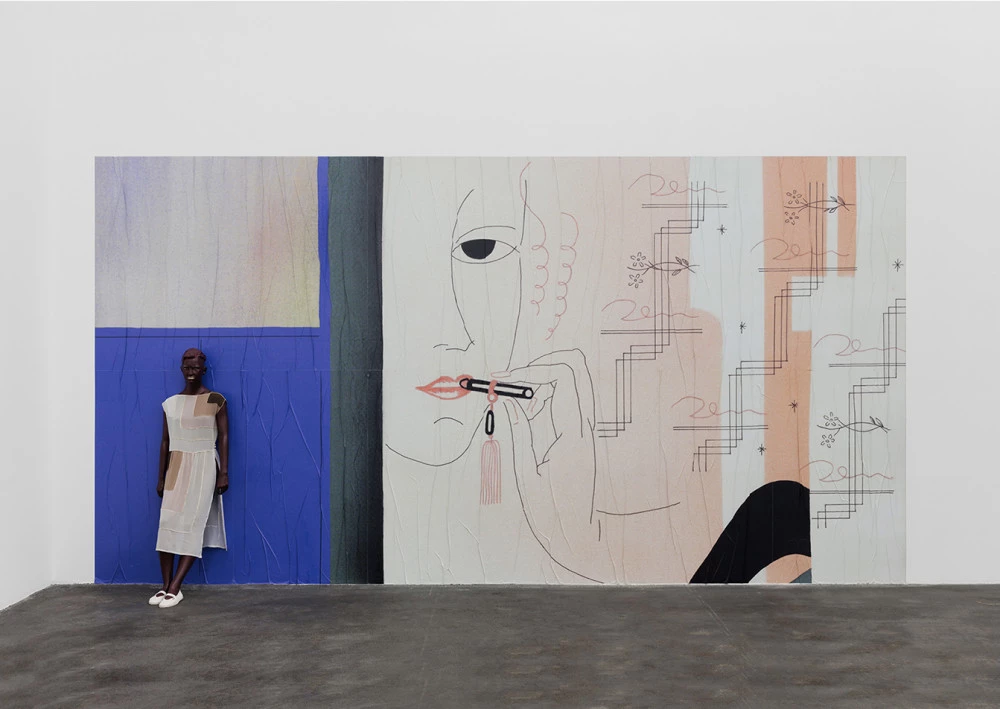
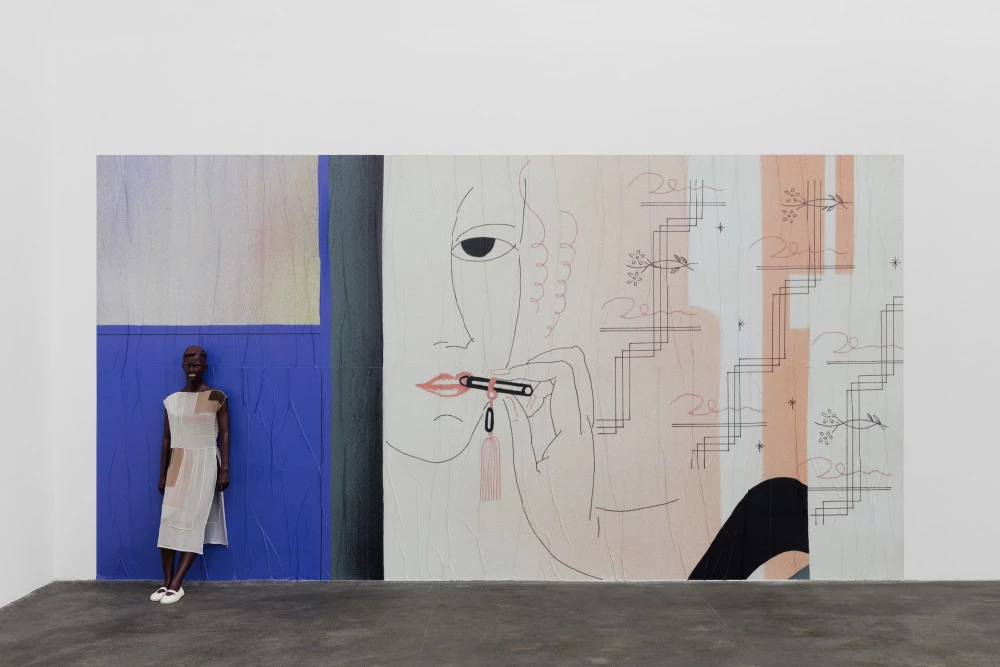
Vue de l’exposition « Lucy McKenzie : Plastic Newspaper », 2026, Crac Occitanie, Sète. "Pleasure’s Inaccuracies Billboard I", 2020. Impression offset sur papier, 3 × 6 m. Tirage : production Crac Occitanie. Courtesy de l’artiste, Galerie Buchholz, Berlin / Cologne / New York. "Leaning Mannequin (Roman Statue / L’Orage)", 2020. Fibre de verre, peinture acrylique et à l’huile, robe en soie avec galon doré, chaussures de sport, 168 × 60 × 70 cm. Collection Hartwig Art Foundation. Photo : Useful Art Services.
Exhibiting Artist
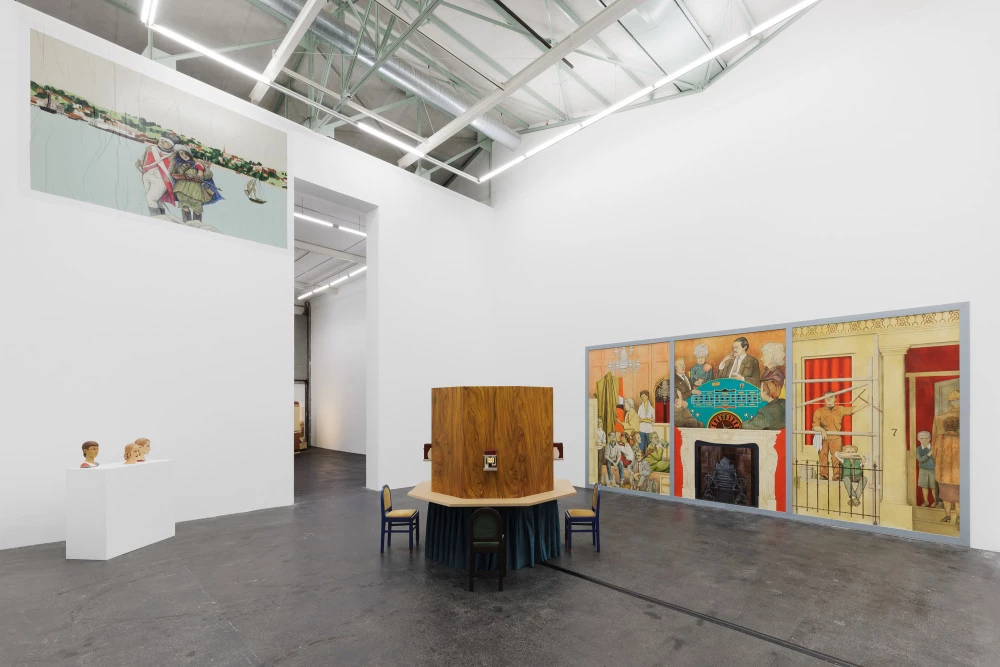
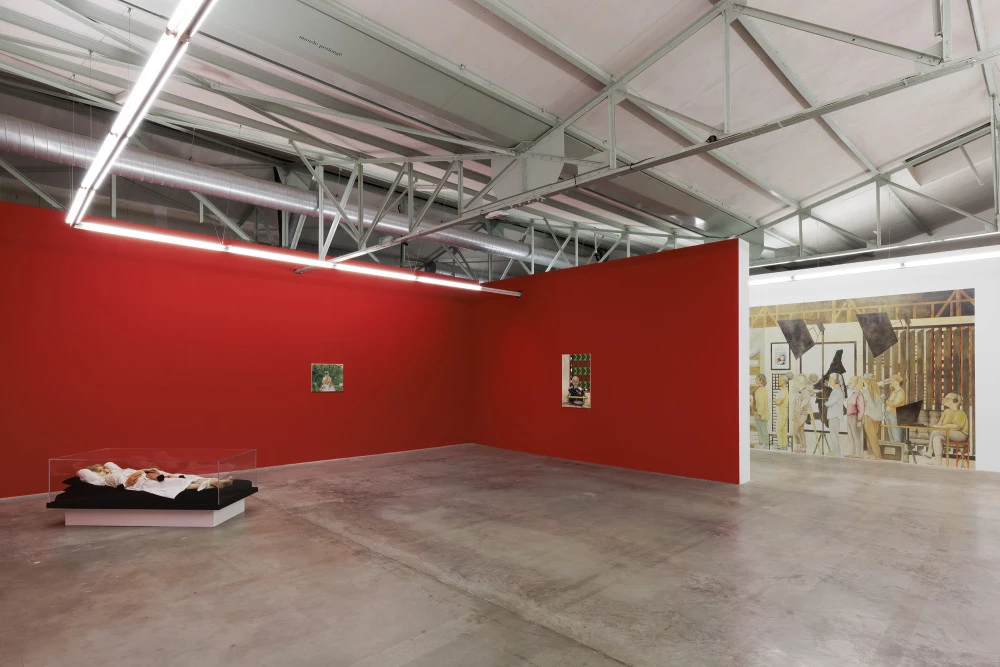
Vue de l’exposition « Lucy McKenzie : Plastic Newspaper », 2026, Crac Occitanie, Sète. Au centre : "Miniature Moving Panorama (Hudson Valley)", 2024. Structure en bois, modèles réduits de trains, textile, moteur, acrylique et huile sur toile, 4 chaises, 210 × 212 × 212 cm. Courtesy de l’artiste et Galerie Buchholz, Cologne. À gauche sur socle : "Anonymous Youth, Donatello John the Baptist 1.1.", "Donatello John the Baptist 1.2.", "Donatello John the Baptist 2", 2019. Huile sur plastique fibré de verre (sauf "Donatello John the Baptist 1.2.", huile sur plâtre), 20 × 21 × 28 cm / 30 × 20 × 33 cm / 28 × 22 × 32 cm / 28 × 19 × 30 cm. Courtesy de l’artiste et Galerie Buchholz, Cologne. À gauche au mur : "Re-enactors", 2024. Impression numérique sur papier, 250 × 380 cm. Tirage : production Crac Occitanie. Courtesy de l’artiste, Galerie Buchholz, Berlin / Cologne / New York et Cabinet Gallery, Londres. À droite : "Mural for Cromwell Place (Francis Bacon’s Studio)", 2024. Peinture à l’huile et acrylique sur toile, 300 × 600 cm. Courtesy de l’artiste, Galerie Buchholz, Berlin / Cologne / New York et Cabinet Gallery, Londres. Photo : Useful Art Services.
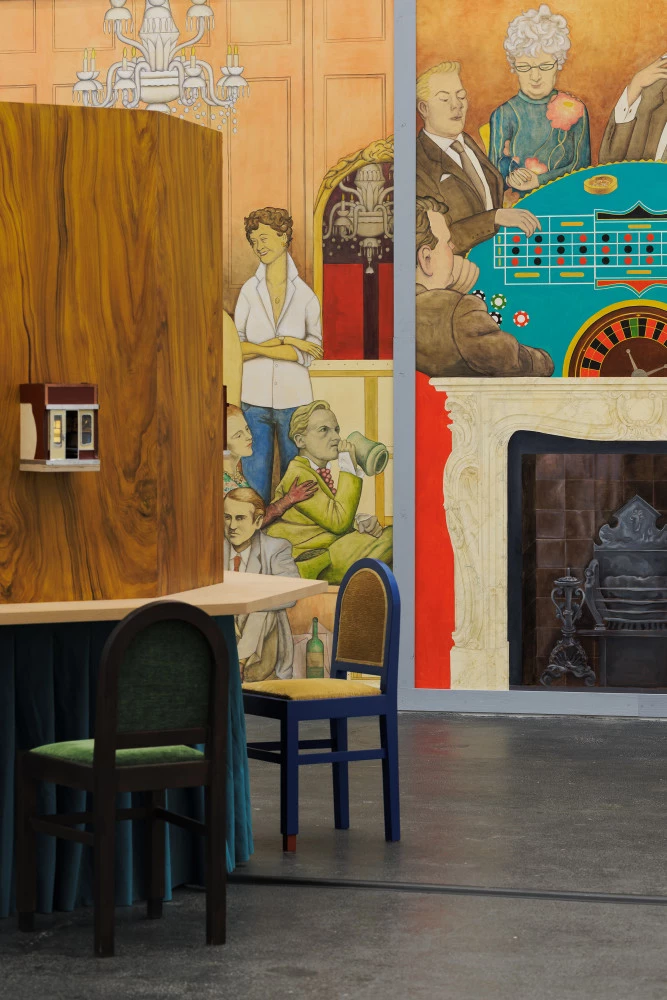
Vue de l’exposition « Lucy McKenzie : Plastic Newspaper », 2026, Crac Occitanie, Sète. En fond : "Mural for Cromwell Place (Francis Bacon’s Studio)", 2024. Peinture à l’huile et acrylique sur toile, 300 × 600 cm. Courtesy de l’artiste, Galerie Buchholz, Berlin / Cologne / New York et Cabinet Gallery, Londres. À gauche : "Miniature Moving Panorama (Hudson Valley)", 2024. Structure en bois, modèles réduits de trains, textile, moteur, acrylique et huile sur toile, 4 chaises, 210 × 212 × 212 cm. Courtesy de l’artiste et Galerie Buchholz, Cologne. Photo : Useful Art Services.
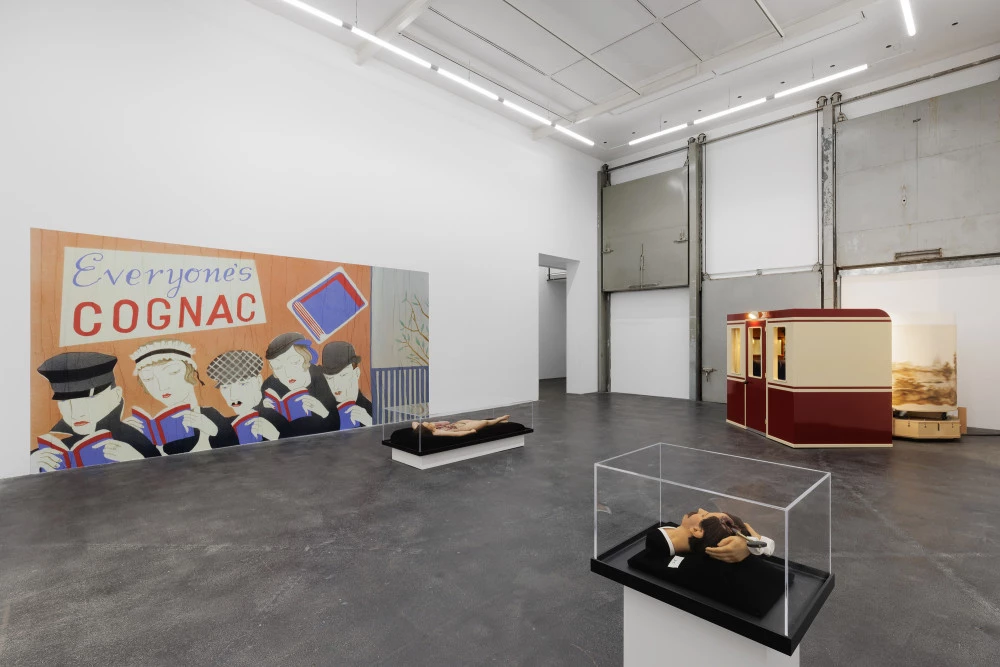
Vue de l’exposition « Lucy McKenzie : Plastic Newspaper », 2026, Crac Occitanie, Sète. À gauche : "Pleasure’s Inaccuracies Billboard II", 2020. Impression offset sur papier, 3 × 6 m. Tirage : production Crac Occitanie. Courtesy de l’artiste. Au centre gauche : "Vénus anatomique", XIXᵉ siècle. Mannequin anatomique en cire, cire, cheveux naturels, yeux en verre soufflé, textile, sur support bois recouvert de velours. Collection Pierre Spitzner, classée au titre des monuments historiques en 2004, Faculté de médecine de l’Université de Montpellier. À droite : "Trépanation", XIXᵉ siècle. Modèle anatomique en cire, cire, cheveux naturels, textile, sur support bois recouvert de velours. Collection Pierre Spitzner, classée au titre des monuments historiques en 2004, Faculté de médecine de l’Université de Montpellier. En fond : "Kaertner Bar Panorama Train – intérieur : partie avant et partie arrière", 2024. Structures en bois et métal, mobilier de train, verre, textile, moteur, acrylique et huile sur toiles, 200 × 220 × 120 cm pour le wagon de train, 150 cm de diamètre pour le tambour panoramique. Courtesy de l’artiste, Galerie Buchholz, Berlin / Cologne / New York. Photo : Useful Art Services.
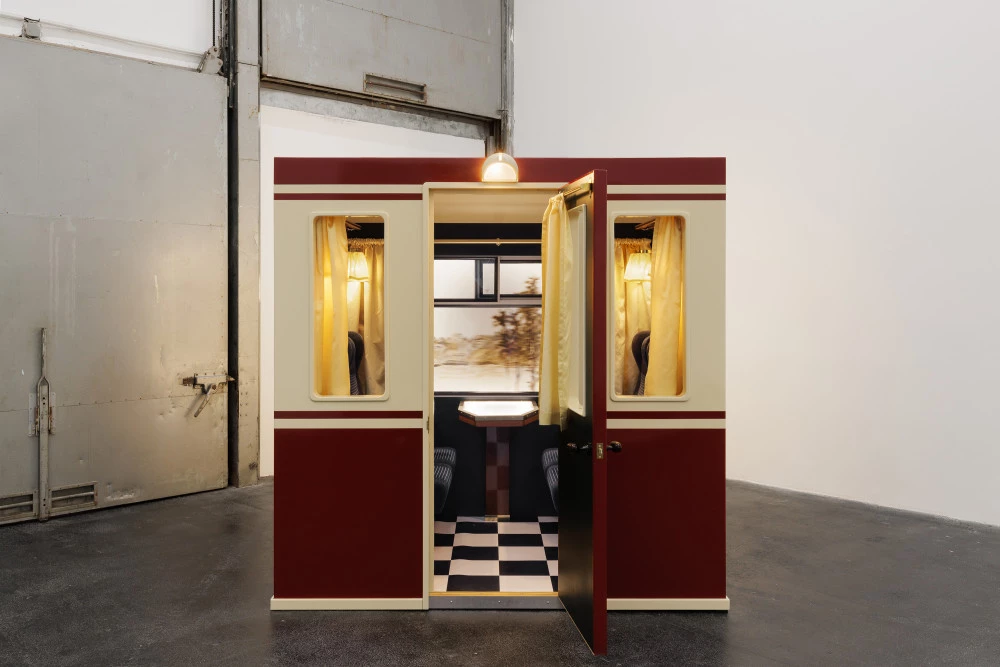
Vue de l’exposition « Lucy McKenzie : Plastic Newspaper », 2026, Crac Occitanie, Sète. "Kaertner Bar Panorama Train – intérieur : partie avant et partie arrière", 2024. Structures en bois et métal, mobilier de train, verre, textile, moteur, acrylique et huile sur toiles, 200 × 220 × 120 cm pour le wagon de train, 150 cm de diamètre pour le tambour panoramique. Courtesy de l’artiste, Galerie Buchholz, Berlin / Cologne / New York. Photo : Useful Art Services.
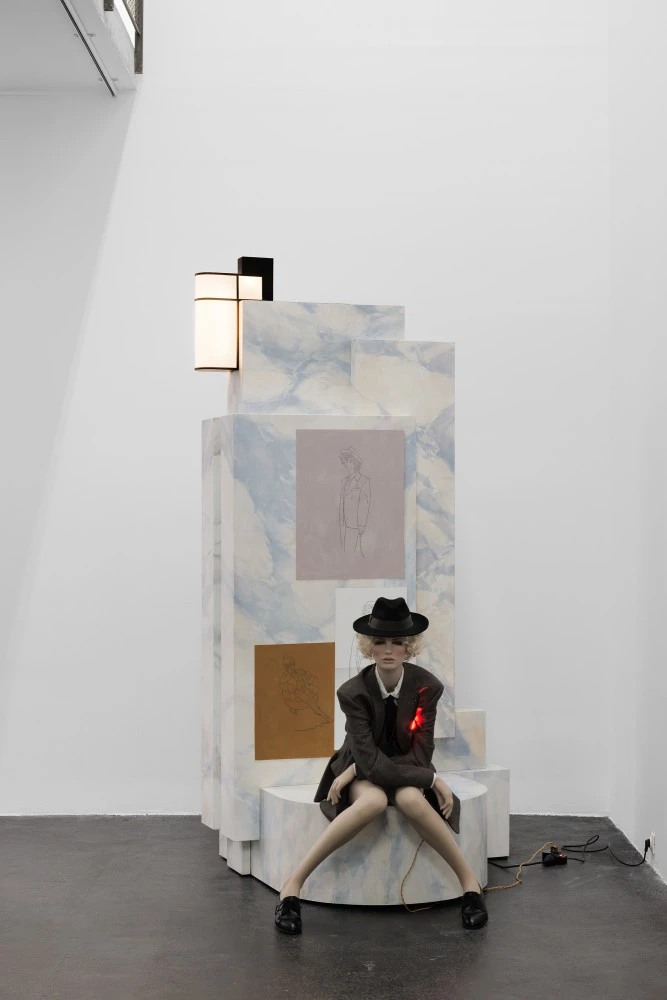
Vue de l’exposition « Lucy McKenzie : Plastic Newspaper », 2026, Crac Occitanie, Sète. "Monumental Streetlamp / 1938 Duchamp Mannequin Sketches", 2017-2024. Peinture à l’huile sur bois, métal, verre et lumière, 250 × 95 × 131 cm. "Duchamp Mannequin, 1938 (III)", 2025. Mannequin en fibre de verre, vêtements, perruque et lampe électrique. Courtesy de l’artiste et Cabinet Gallery, Londres. Photo : Useful Art Services.
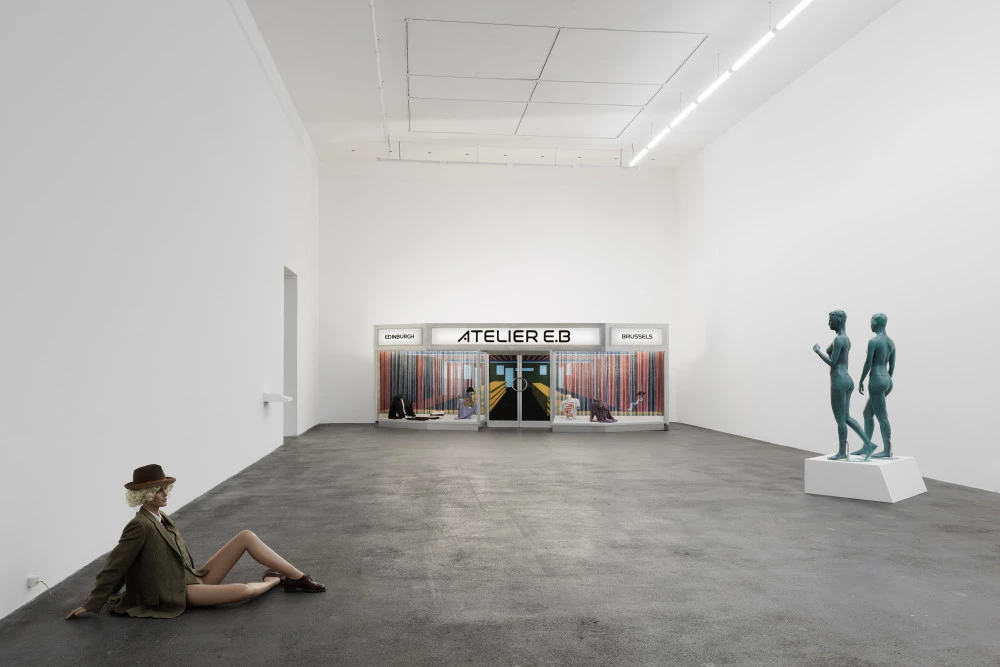
Vue de l’exposition «Lucy McKenzie : Plastic Newspaper », 2026, Crac Occitanie, Sète. Au fond : "Atelier E.B" (Beca Lipscombe & Lucy McKenzie), "Faux Sports Shop", 2024. Acrylique et peinture à l’huile sur toile, acier, bois, Perspex, aluminium et textiles, 230 × 700 × 100 cm. Courtesy de l’artiste et Galerie Buchholz, Berlin / Cologne / New York. À droite : "Faux Verdigris Statue (Zoya) I & II", 2024. Mannequins en fibre de verre, peinture acrylique et huile, cire, socles, 175 × 49 × 40 cm / 178 × 48 × 69 cm. Courtesy de l’artiste et Galerie Buchholz, Cologne. À gauche : "Duchamp Mannequin, 1938 (I)", 2025. Mannequin en fibre de verre, vêtements, perruque et lampe électrique, 90 × 60 × 160 cm. Courtesy de l’artiste et Cabinet Gallery, Londres. Photo : Useful Art Services.
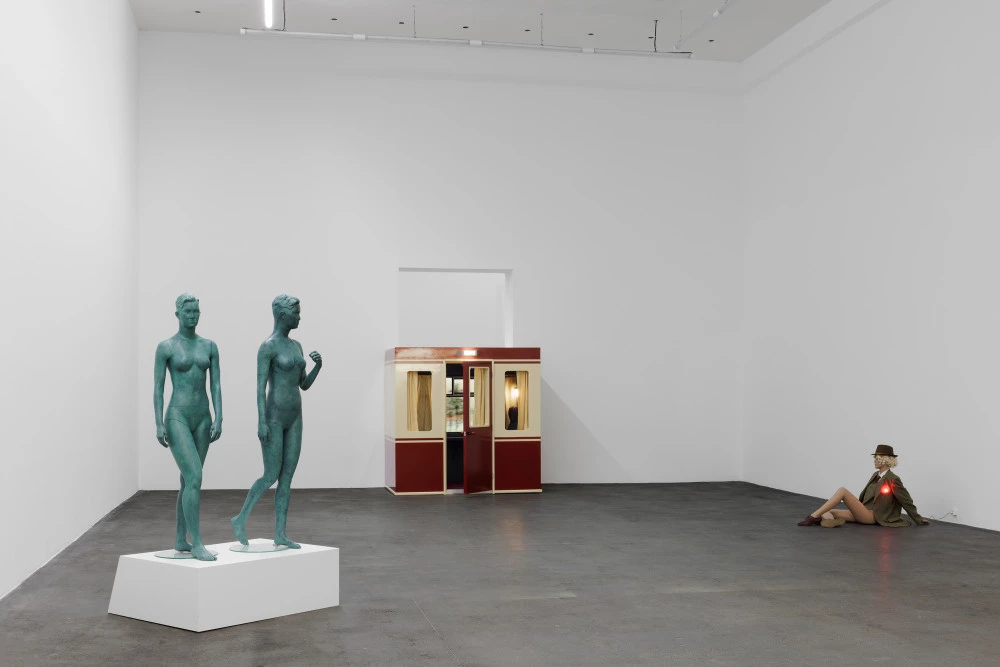
Vue de l’exposition « Lucy McKenzie : Plastic Newspaper », 2026, Crac Occitanie, Sète. À gauche : "Faux Verdigris Statue (Zoya) I & II", 2024. Mannequins en fibre de verre, peinture acrylique et huile, cire, socles, 175 × 49 × 40 cm / 178 × 48 × 69 cm. Courtesy de l’artiste et Galerie Buchholz, Cologne. À droite : "Duchamp Mannequin, 1938 (I)", 2025. Mannequin en fibre de verre, vêtements, perruque et lampe électrique, 90 × 60 × 160 cm. Courtesy de l’artiste et Cabinet Gallery, Londres. Au fond : "Moving Panorama (Trans Siberian) – front part & back part", 2024. Structures en bois et métal, mobilier ferroviaire, verre, textile, moteur, acrylique et huile sur toile, 200 × 220 × 120 cm pour le wagon de train, 150 cm de diamètre pour le tambour panoramique. Courtesy de l’artiste et Galerie Buchholz, Cologne. Photo : Useful Art Services.
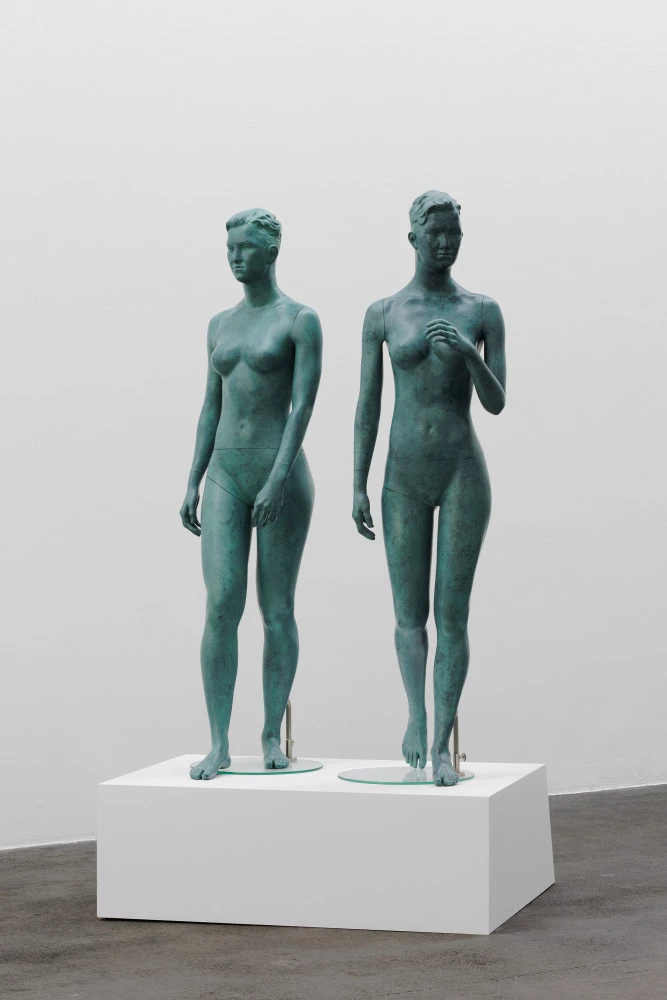
Vue de l’exposition « Lucy McKenzie : Plastic Newspaper », 2026, Crac Occitanie, Sète. "Faux Verdigris Statue (Zoya) I & II", 2024. Mannequins en fibre de verre, peinture acrylique et huile, cire, socles, 175 × 49 × 40 cm / 178 × 48 × 69 cm. Courtesy de l’artiste et Galerie Buchholz, Cologne. Photo : Useful Art Services.
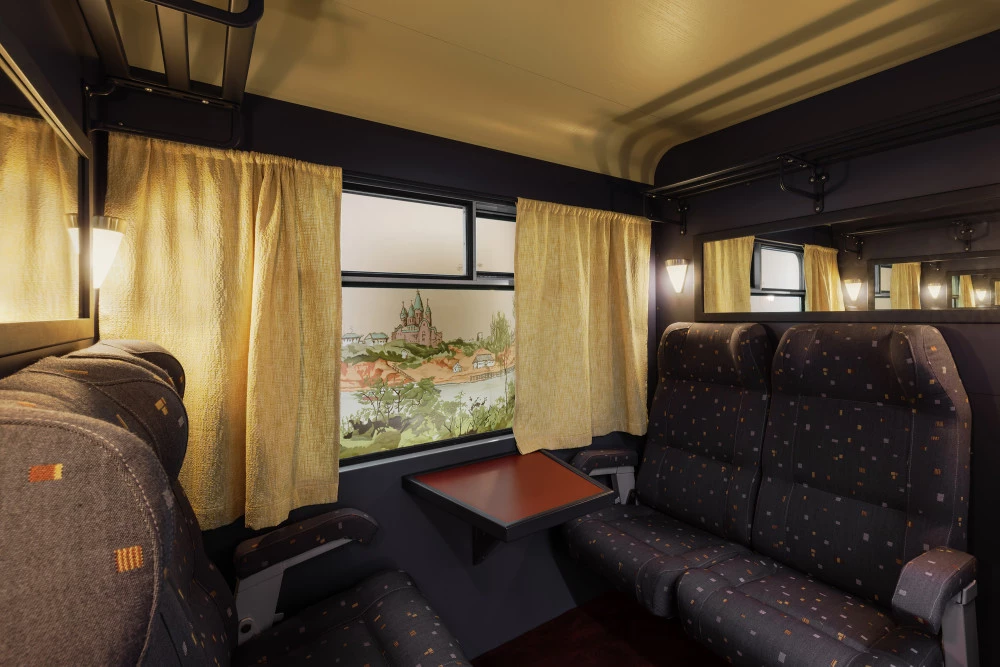 + 6 autres photos
Vue de l’exposition « Lucy McKenzie : Plastic Newspaper », 2026, Crac Occitanie, Sète. "Moving Panorama (Trans Siberian) – front part & back part", 2024. Structures en bois et métal, mobilier ferroviaire, verre, textile, moteur, acrylique et huile sur toile, 200 × 220 × 120 cm pour le wagon de train, 150 cm de diamètre pour le tambour panoramique. Courtesy de l’artiste et Galerie Buchholz, Cologne. Photo : Useful Art Services.
Téléchargements
- Téléchargez : Programme des activités printemps-été 2026
- Téléchargez : Guide de visite de l’exposition "Plastic Newspaper"
- Téléchargez : Dossier pédagogique de l’exposition "Plastic Newspaper"
- Téléchargez : Dossier de presse de l’exposition "Plastic Newspaper" de Lucy McKenzie
- Téléchargez : Guide de visite en gros caractères de l’exposition "Plastic Newspaper""
- Téléchargez : Press kit - Exhibition "Plastic Newspaper" by Lucy McKenzie
- Téléchargez : Visitor’s guide in english / guide de visite en anglais de l’exposition "Plastic Newspaper"