Home - Hand, an assembly of gestures #2
Exhibition
From 10 October 2026 to 21 February 2027
Curator: Christian Rizzo and Anne-Laure Lestage
With Nils Alix-Tabeling, Jacques Averna, Hélène Bertin, Emma Bruschi, Clara Denidet, Charlotte Dualé, Marie Ducaté, Daniel Firman, Marie-Ange Guilleminot, Thea Gvetadze, Rodrigo Hernández, Ninon Hivert, Île/Mer/Froid, JN Mellor Club, Maria Laet, Yoonjeong Lee, Pascal Monteil, Jean-Michel Othoniel, Javier Pérez, Élise Peroi, Célia Picard & Hannes Schreckensberger, Marcel Robelin, Soyoung Hyun, Arnaud Vasseux, Betty Woodman, Xolo Cuintle.
Press preview and opening: 9 October 2026.
The hand thought it was its fingers that had spattered the sky with fine stars. Since then, it had been bustling about in its house to keep the darkness awake. Playing guitar, mending the earth, making tools for dreaming, creating sticks for dancing, gathering glass. Through encounters with materials, the fingers learned to think no less than to shape; each contact sculpted the palm as much as the folds of the brain, as if thought itself were malleable. The hand became the threshold where the realm of ideas met that of wood, earth, metal, or glass, the emitter and receiver of imaginaries circulating between the visible and invisible. So much so that each fingernail carried within it a crepuscular furrow of matter.
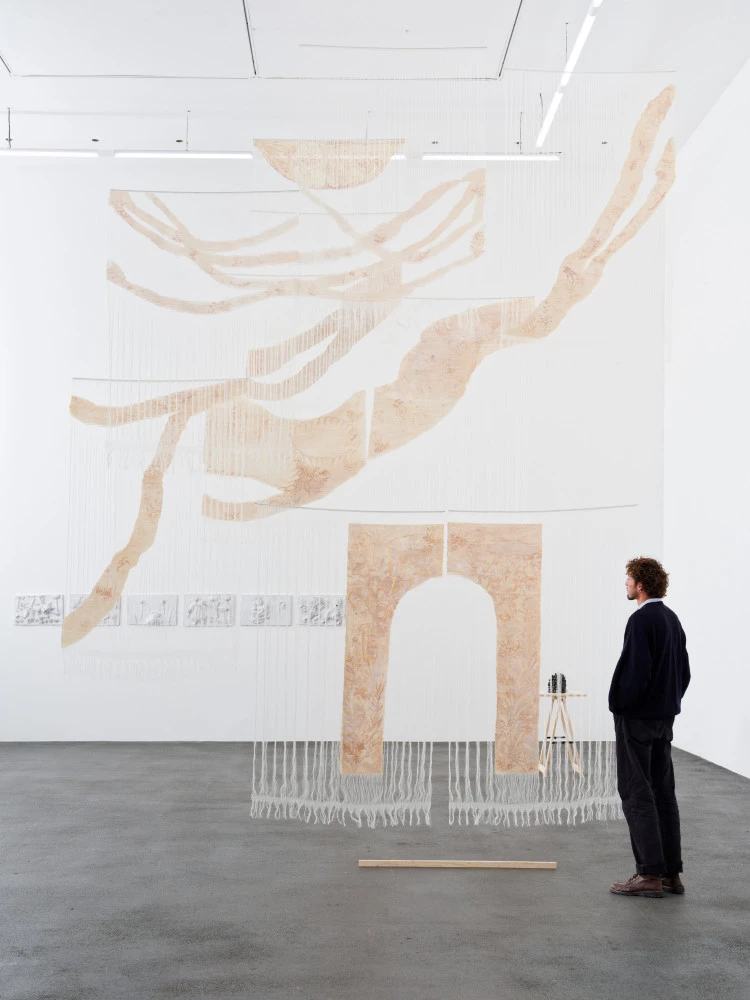
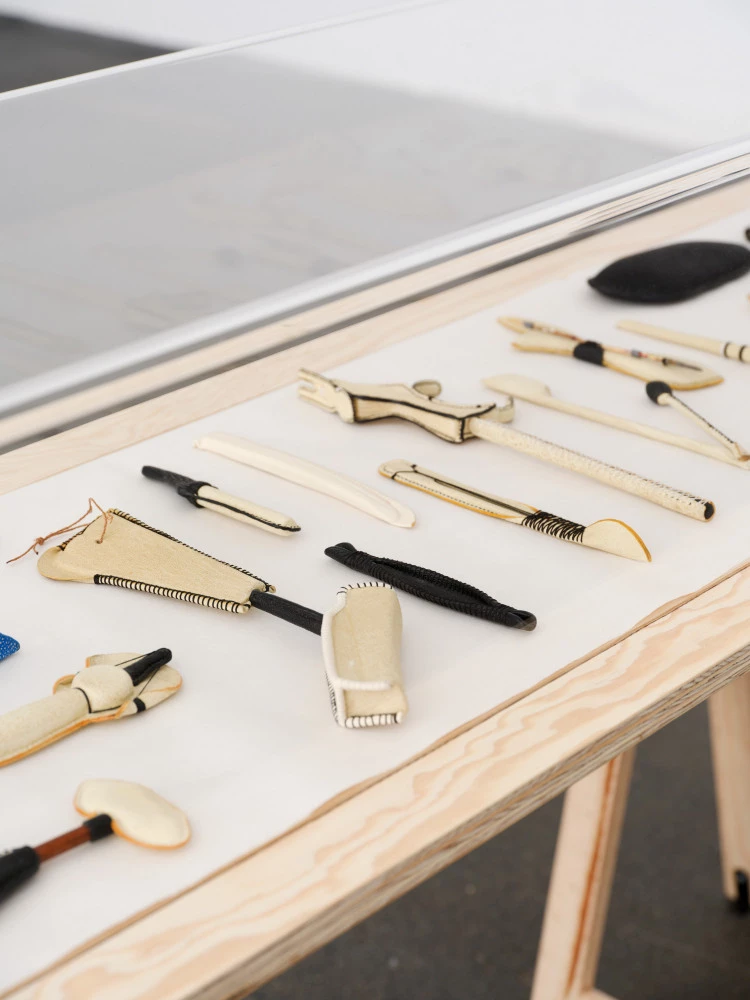
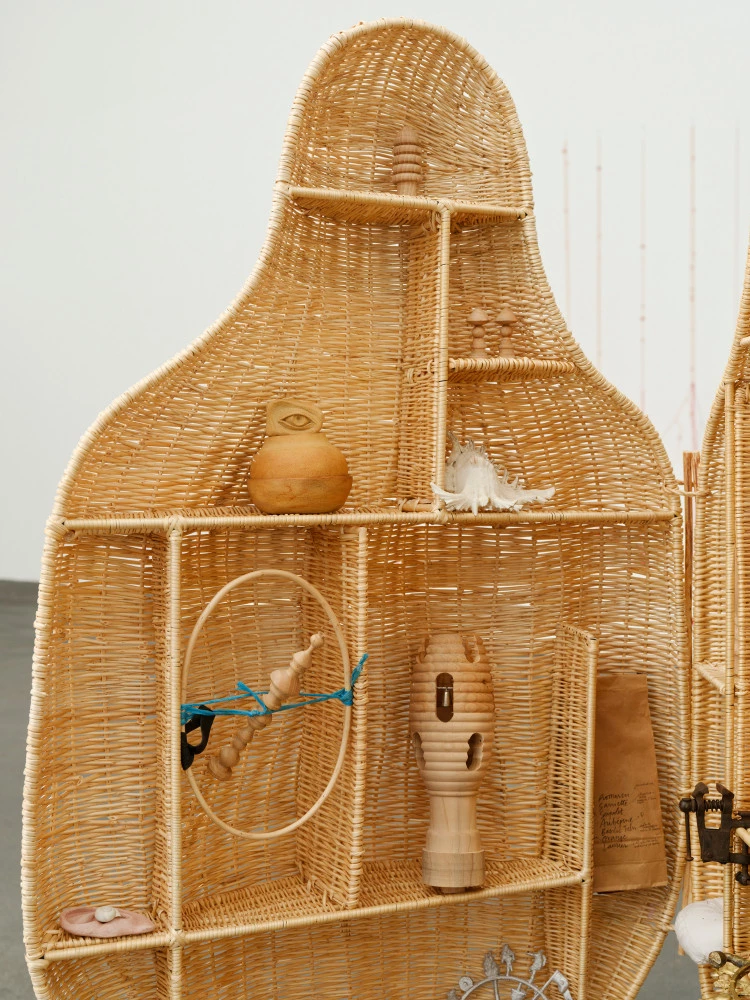
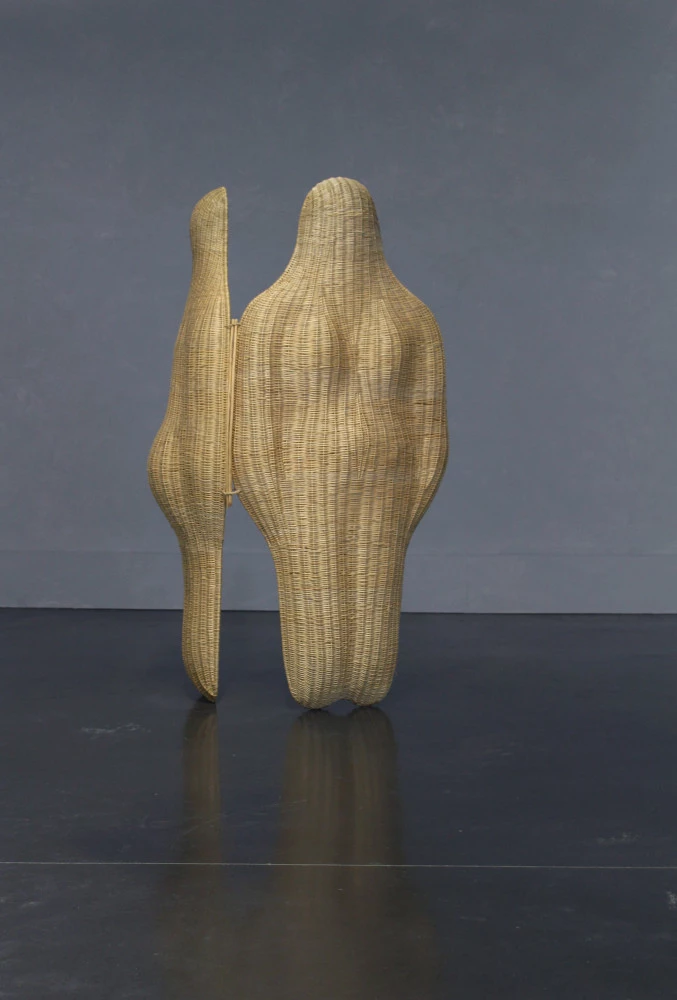
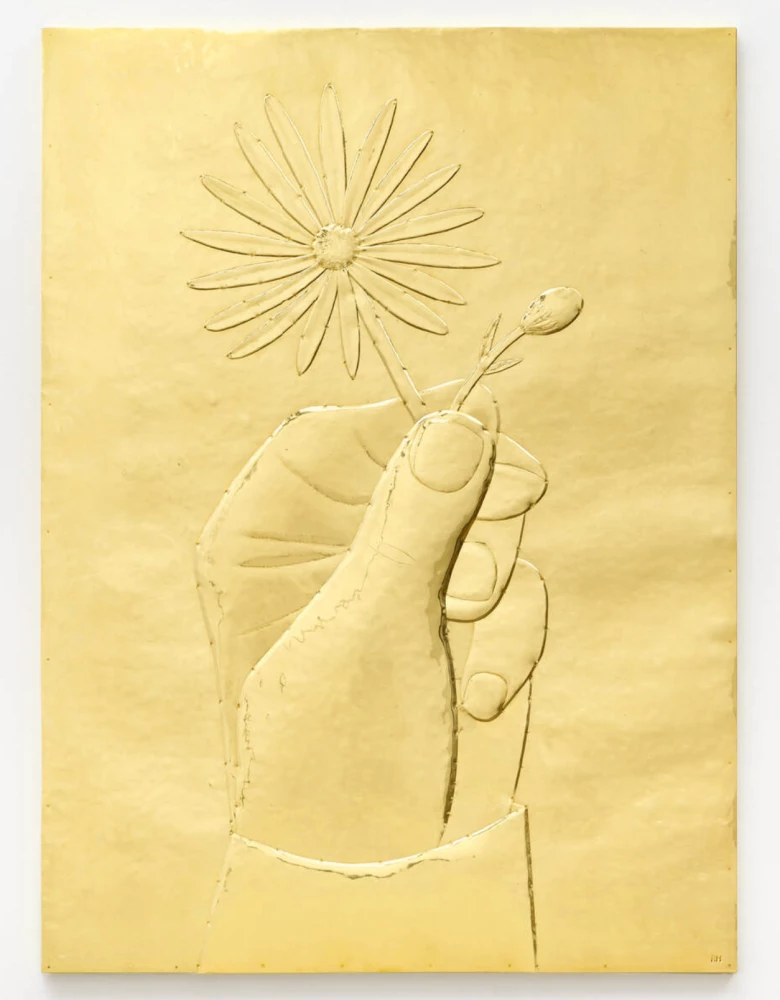
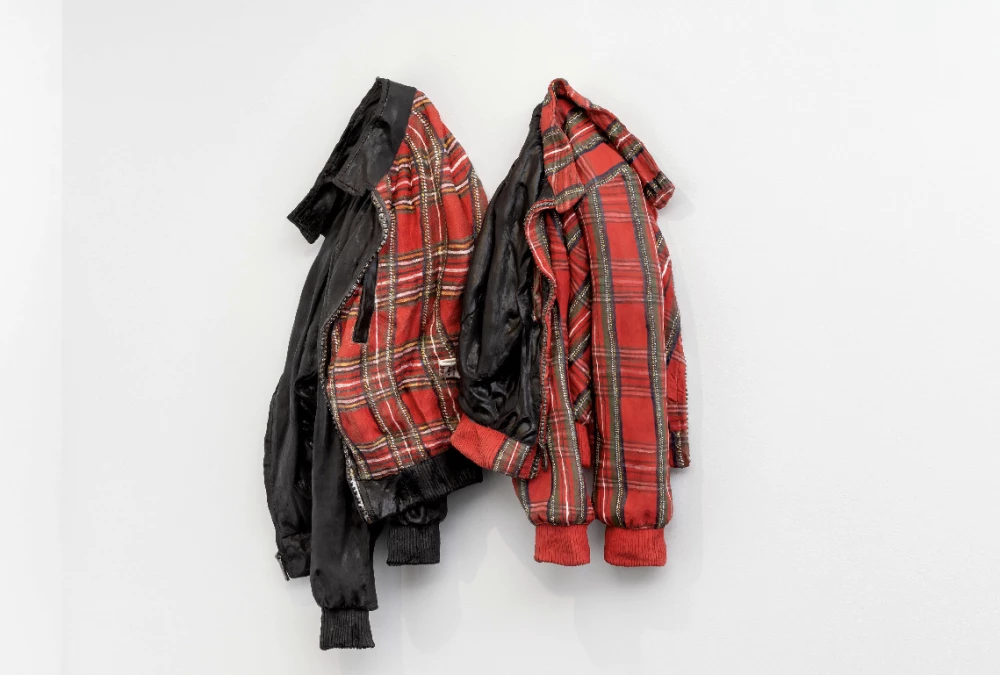
The exhibition offers a fictional, sensory journey into the hidden realm of our gestures—the « maison-main » [“hand-house”], where enduring gestures cohabit with unexpected imaginary stories. This unique experience brings together recent works and earlier pieces—video, objects, sculptures, artisanal forms, and speculative tools—forming a realm of suspended gestures, where human absence and presence mingle. In this house, the fashioning of an object, the invention of a form, or the repairing of a world follow the same paths of the hand. Here, the elements retain the memory of the gestures that pass through them, making no distinction between workmanship and artwork. Each gesture continues a thought that does not precede the action, but arises in contact with it, at the fingertips, where the spirit allows itself to be transformed by the materials as much as it transforms them. In this inner world inhabited by the existence of doing, a superimposition of skills, contradictions, and hypotheses unfolds, and from this emerges a continuous dance of material.
After une assemblée des gestes (épisode 1) presented in Pantin at Les Magasins Généraux in partnership with the CN D - Centre national de la danse, Maison-Main is the second instalment of this travelling project initiated by Christian Rizzo, who invited Anne-Laure Lestage to collaborate with him on it.
The curators :
Anne-Laure Lestage and Christian Rizzo
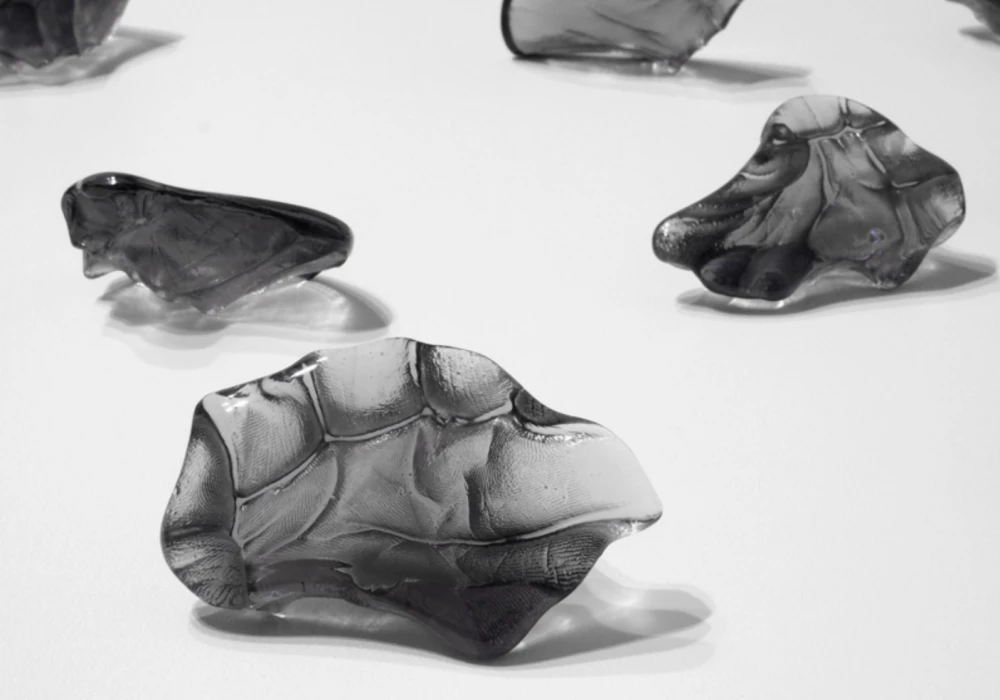
Arnaud Vasseux, "Creux", 2011-2013. Pâte de verre, 10 éléments, dimensions variables, production/ réalisation Cirva. Collection du Centre international de recherche sur le verre et les arts plastiques (Cirva), Marseille. Photo : ©Arnaud Vasseux.
Exhibiting Artists
- Nils Alix-Tabeling
- Jacques Averna
- Hélène Bertin
- Emma Bruschi
- Célia Picard et Hannes Schreckensberger
- Clara Denidet
- Charlotte Dualé
- Marie Ducaté
- Daniel Firman
- Marie-Ange Guilleminot
- Thea Gvetadze
- Rodrigo Hernández
- Ninon Hivert
- Soyoung Hyun
- Île/Mer/Froid
- JN Mellor Club
- Maria Laet
- Yoonjeong Lee
- Pascal Monteil
- Jean-Michel Othoniel
- Javier Pérez
- Elise Peroi
- Marcel Robelin
- Arnaud Vasseux
- Betty Woodman
- Xolo Cuintle
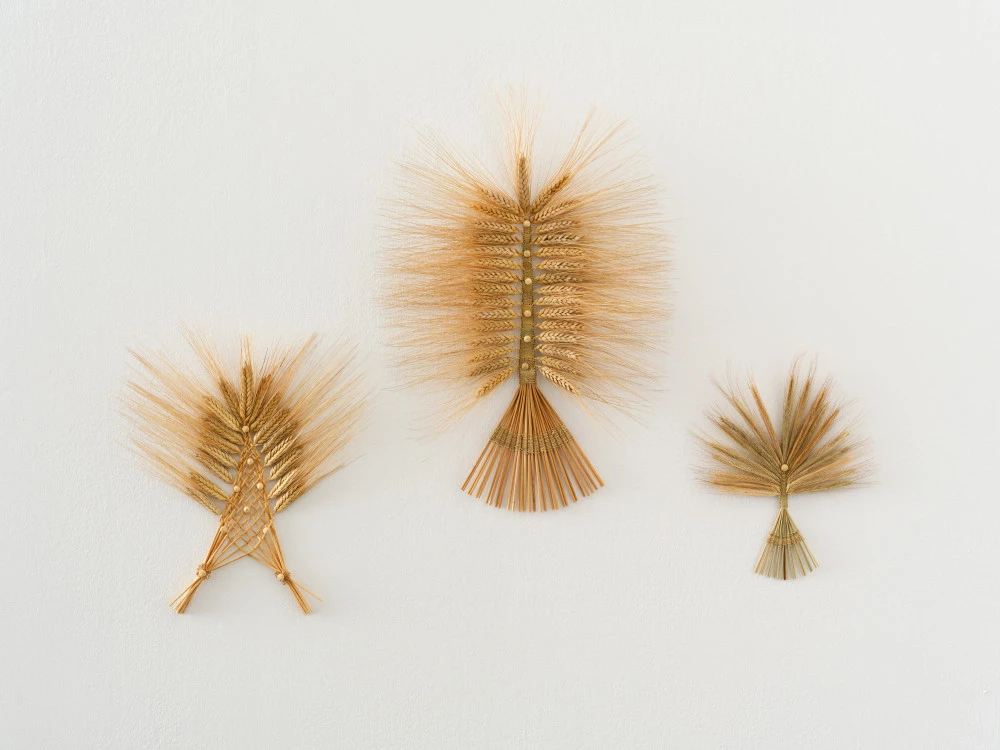
Vue de l’exposition « Maison-Main, une assemblée des gestes #2», 2026, Crac Occitanie, Sète. De gauche à droite : Emma Bruschi, « n° 2 – Mont des Buissons », 2021, orge et seigle, 37 × 30 cm. « n° 14 – Sauffat », 2021, blé et seigle, 60 × 35 cm. « n° 12 – Marigny », 2021, orge et seigle, 32 × 26 cm. Courtesy de l’artiste. Photo : Aurélien Mole.
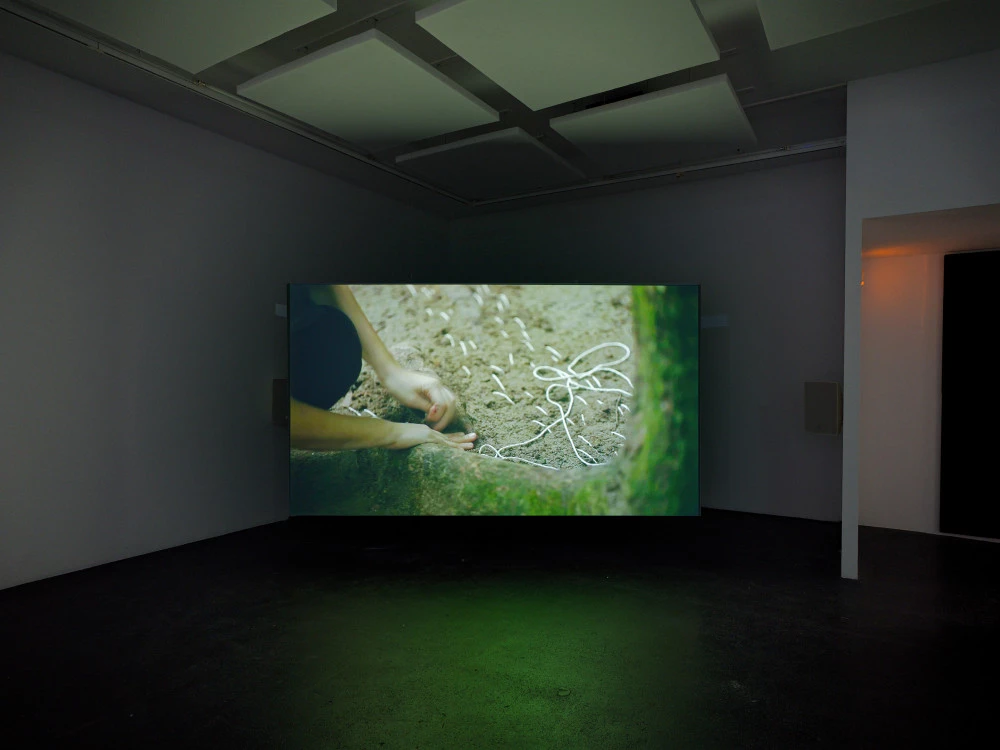
Vue de l’exposition « Maison-Main, une assemblée des gestes #2 », 2026, Crac Occitanie, Sète. Maria Laet, « Terra (Parque Lage) », 2015, vidéo, 11′35″. Courtesy de l’artiste. Photo : Aurélien Mole.
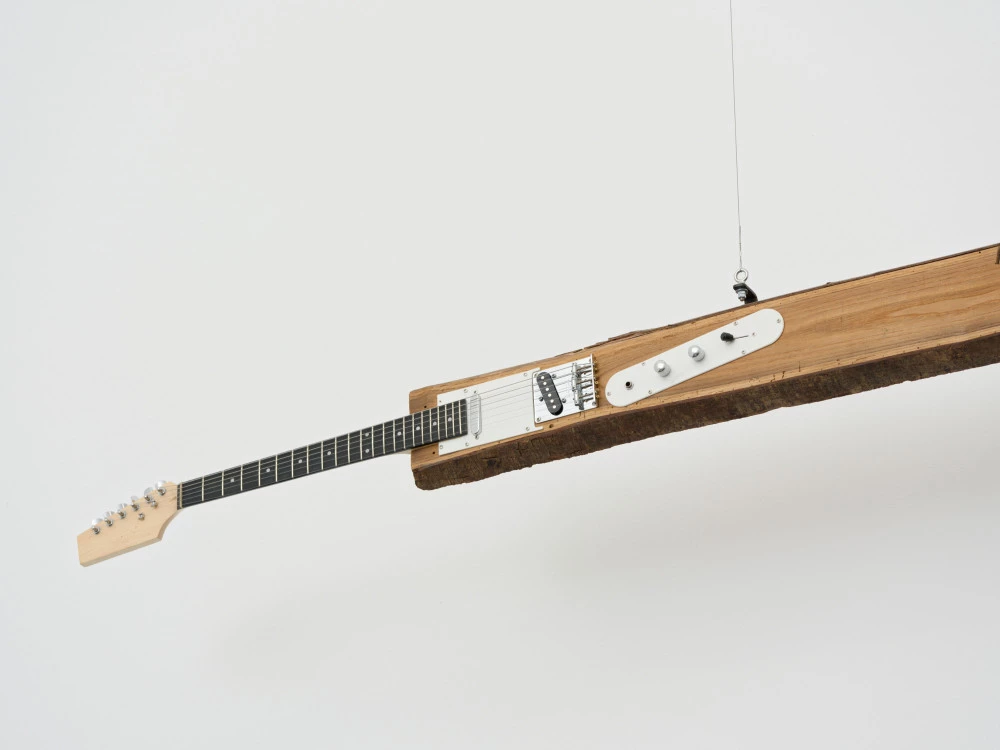
Vue de l’exposition « Maison-Main, une assemblée des gestes #2 », 2026, Crac Occitanie, Sète. Jacques Averna, « Guitare Jacques Dutronc » (détail), bois, 20 × 330 × 4 cm. Courtesy de l’artiste © Adagp, Paris, 2026. Photo : Aurélien Mole.
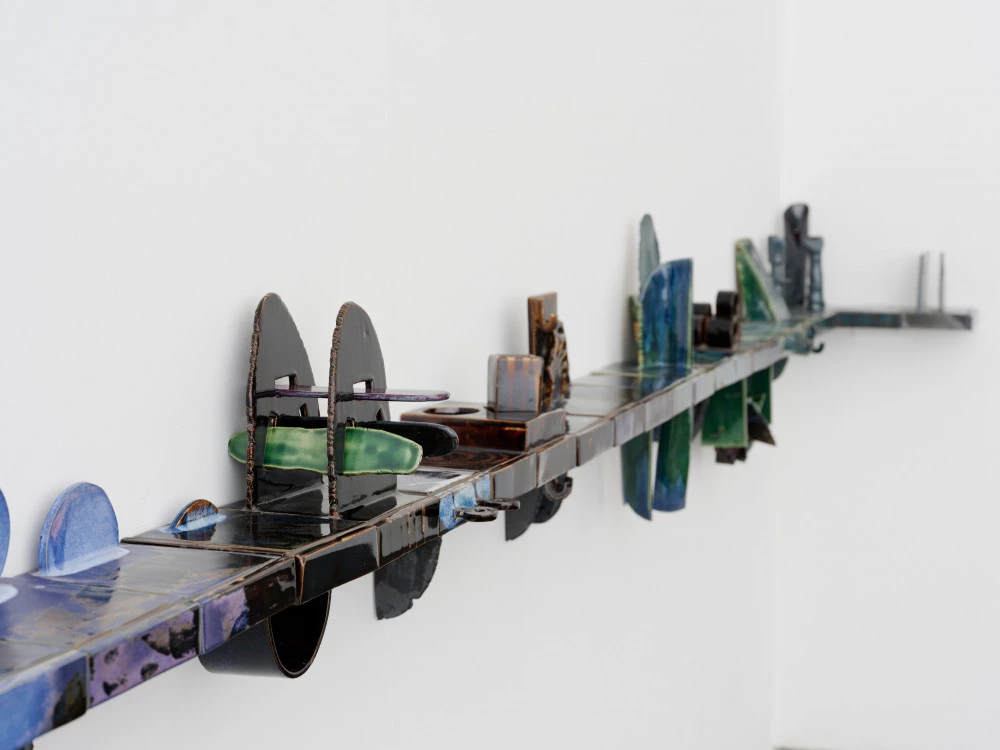
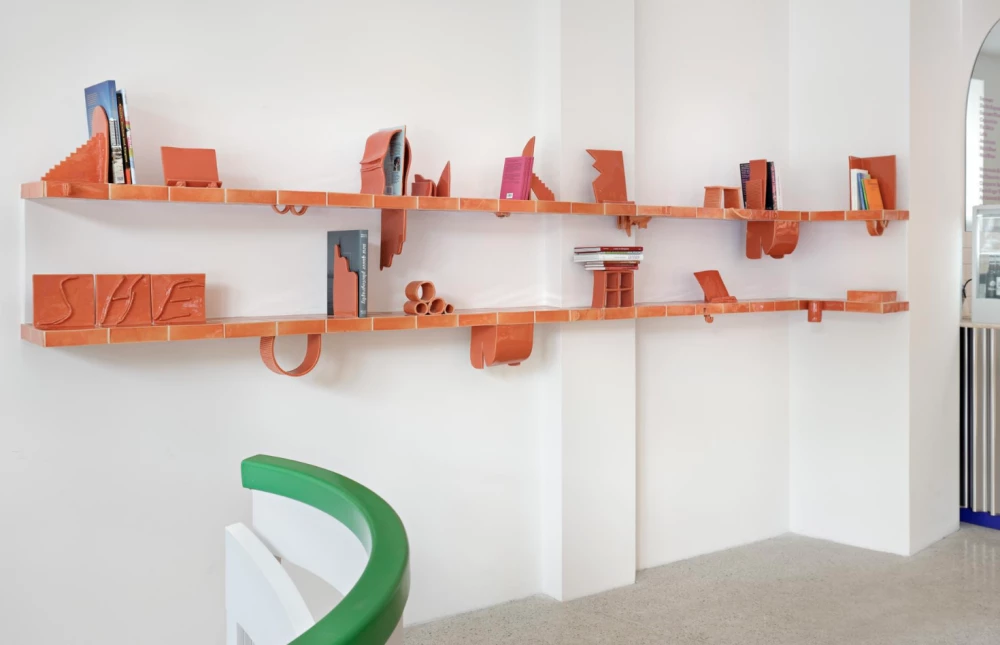
Vue de l’exposition « Maison-Main, une assemblée des gestes #2», 2026, Crac Occitanie, Sète. Charlotte Dualé, « Bibliothèque sentimentale », 2026, céramique émaillée, panneau de construction, acier, dimensions 60 x 501 x 52 cm. Production Crac Occitanie. Courtesy de l’artiste. Photo : Aurélien Mole.
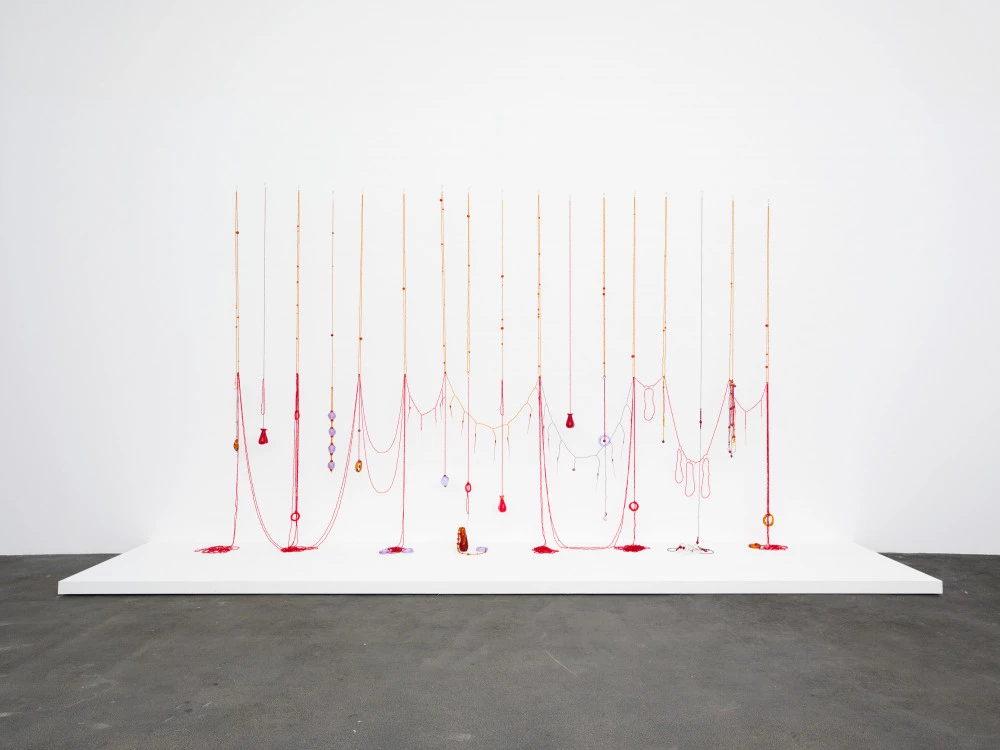
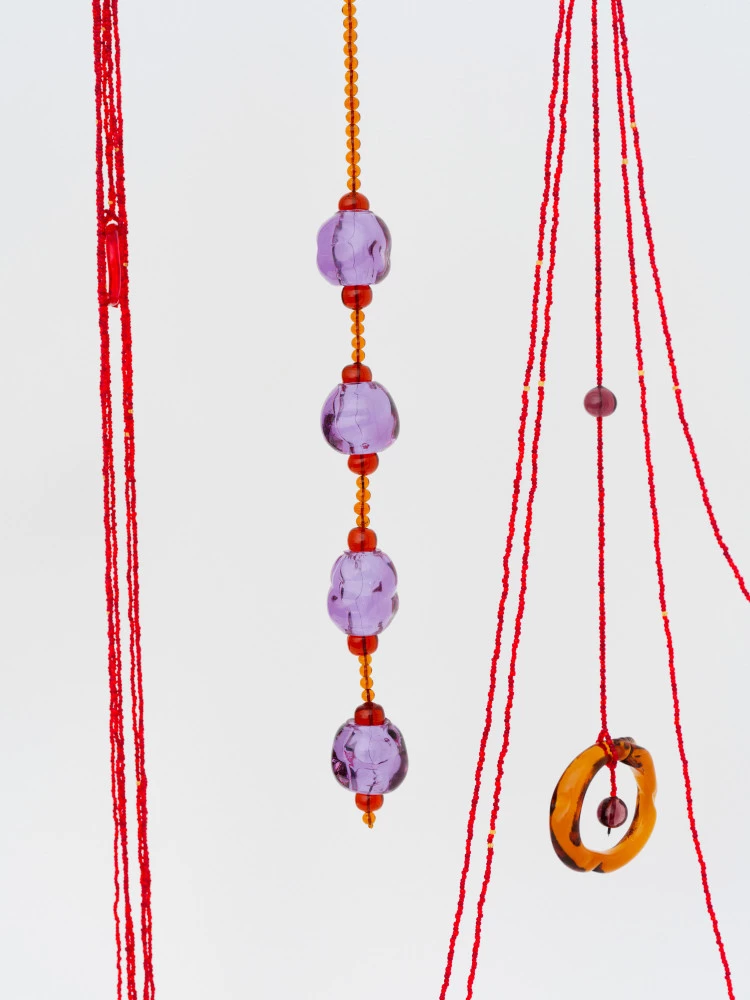
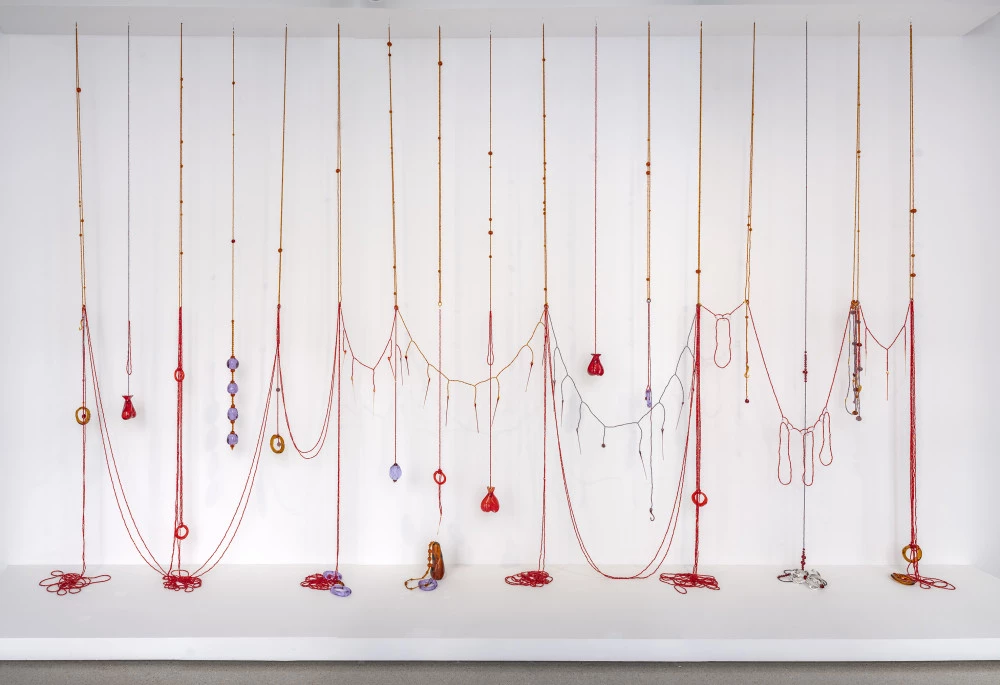
Vue de l’exposition « Maison-Main, une assemblée des gestes #2 », 2026, Crac Occitanie, Sète. Jean-Michel Othoniel, « Paysage amoureux », 1997, verre de Murano, fil de nylon, dimensions variables. Collection Fondation Cartier pour l’art contemporain © Adagp, Paris, 2026. Photo : Aurélien Mole.
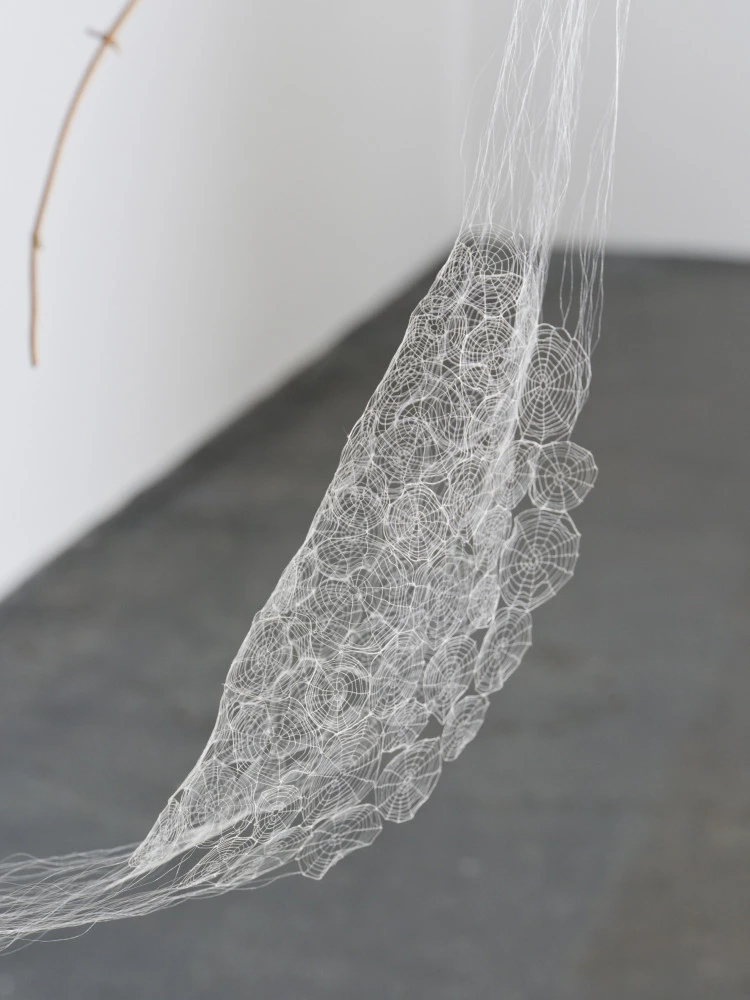
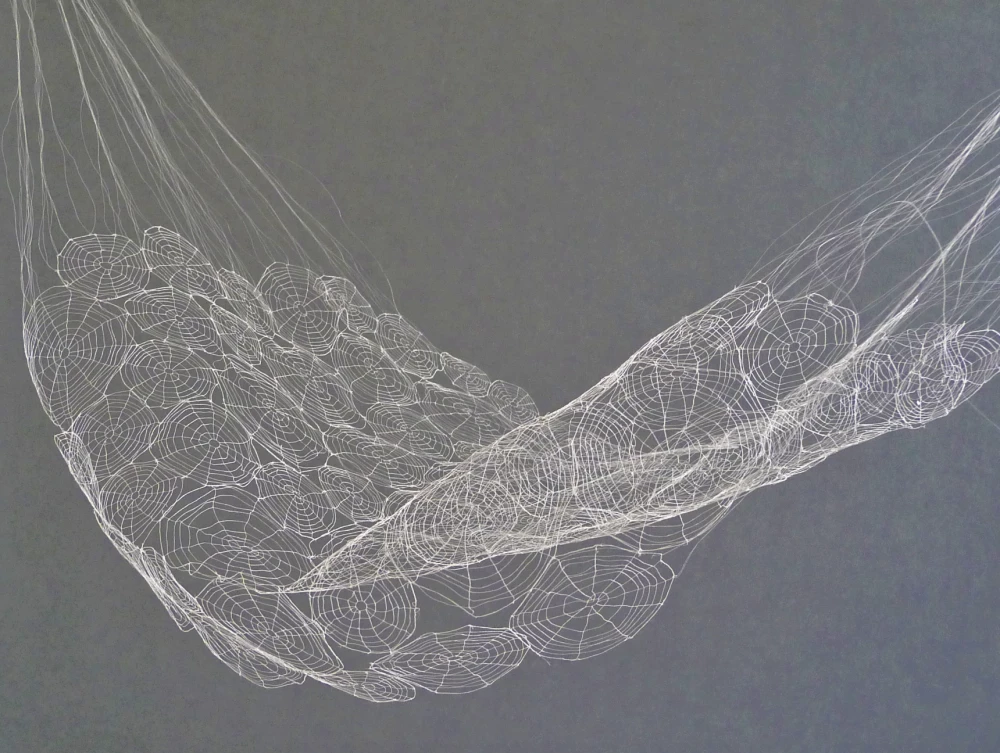
Vue de l’exposition « Maison-Main, une assemblée des gestes #2 », 2026, Crac Occitanie, Sète. Marie-Ange Guilleminot, « Hamac en dentelle à l’échelle des bras », 1998-2000, dentelle de Bayeux aux fuseaux à fils coupés en soie grège, 32 x 23 cm. Réalisation : Mylène Salvador-Ros. Collection de l’artiste, Paris. © Marie-Ange Guilleminot, Adagp, Paris, 2026. Photo : Aurélien Mole.
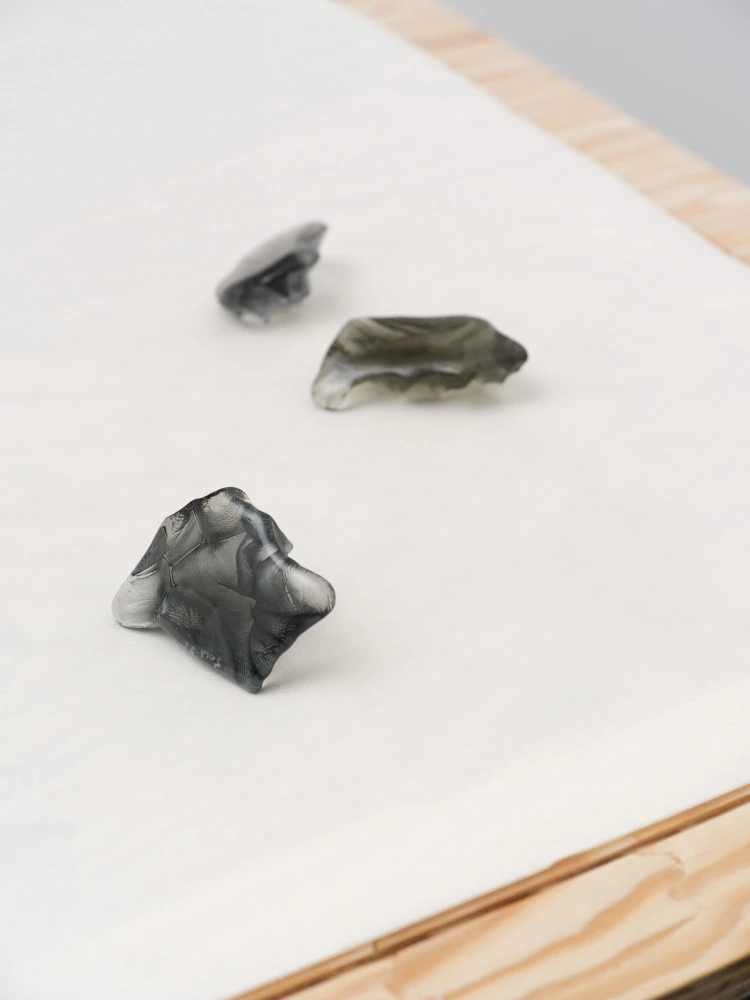
Vue de l’exposition « Maison-Main, une assemblée des gestes #2», 2026, Crac Occitanie, Sète. Arnaud Vasseux, Creux, 2011-2013, dix creux de main en pâte de verre, dimensions variables, production /réalisation Cirva, équipe technique : Roberto Avila, Christelle Notelet. Collection du Cirva, Marseille. Photo : Aurélien Mole.
 + 22 autres photos
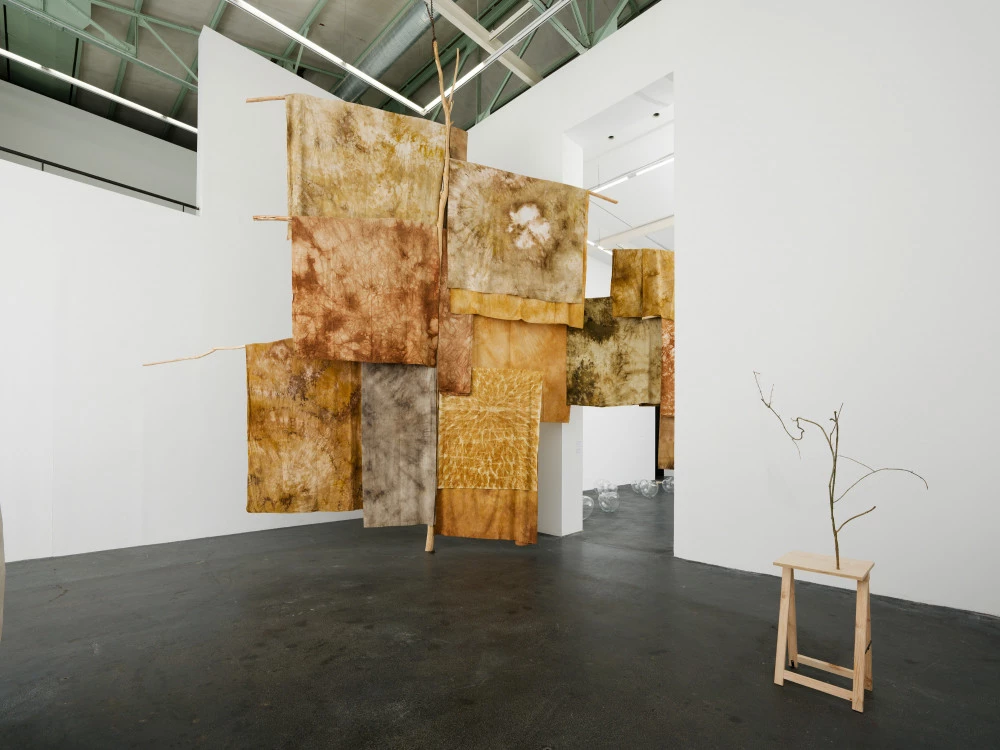
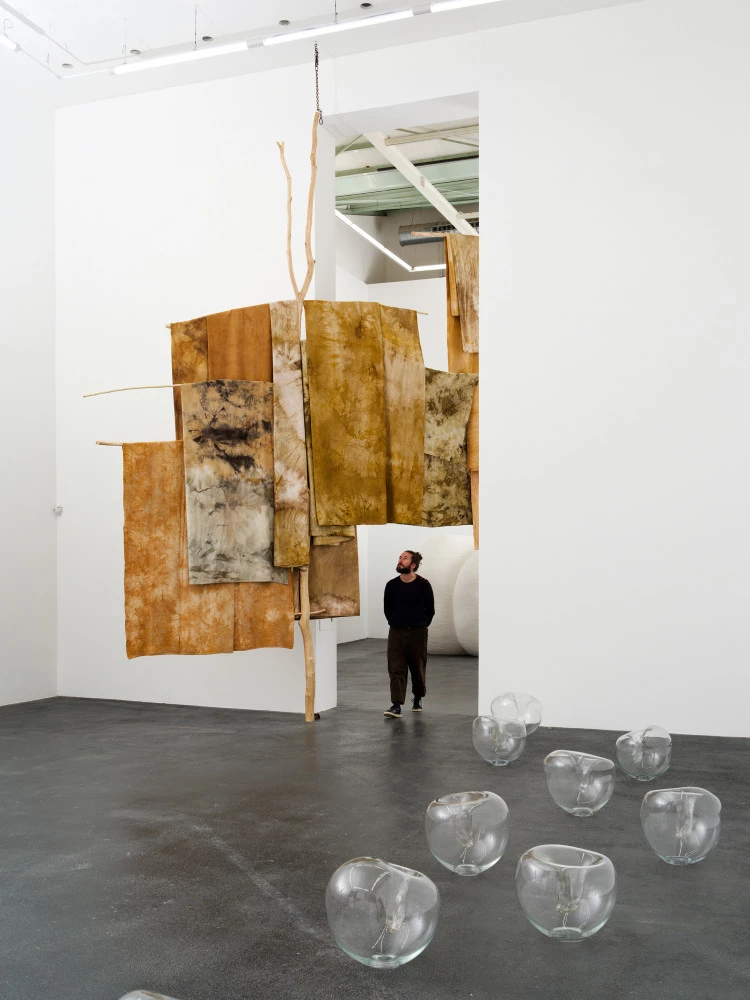
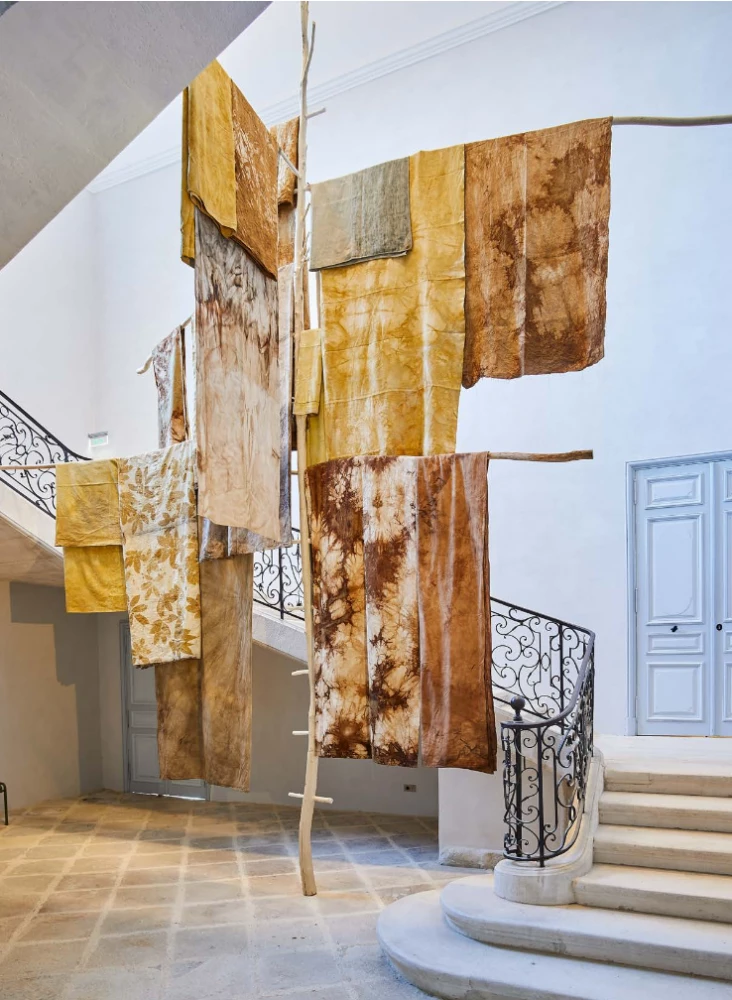
Vue de l’exposition « Maison-Main, une assemblée des gestes #2», 2026, Crac Occitanie, Sète. Au premier plan : Javier Pérez, « Levitas », 1998-1999, verre soufflé, 12 sphères, 50 x 60 cm chacune, production / réalisation Cirva, équipe technique : Pierre-Louis Albert, Pavel Cajthaml, Hanneke Fokkelman, Nuno Galvao de Almeida. Collection Cirva, Marseille, @Adagp, Paris, 2026. À l’arrière-plan : Île/Mer/Froid, « Paysage pour la naissance d’une forêt », 2026, bois, textiles, teintures végétales, 650 x 700 cm. Courtesy des artistes © Adagp, Paris, 2026. Photo : Aurélien Mole.



Téléchargements
- Téléchargez : Guide de visite de l’exposition "Maison-Main, une assemblée des gestes #2" et "For Kheira," de Nesrine Salem
- Téléchargez : Programme des activités automne 2026
- Téléchargez : Dossier de presse des expositions "Maison-Main" (collective) et "For Kheira," de Nesrine Salem.
- Téléchargez : Press kit- Exhibitions "Home - Hand, an assembly of gestures #2" and "For Kheira,"
- Téléchargez : Communiqué de presse - expositions "Maison-Main" (collective) et "For Kheira," de Nesrine Salem.
- Téléchargez : Press release - Exhibitions "Home - Hand, an assembly of gestures #2" and "For Kheira,"
- Téléchargez : Visitor’s guide in english / Guide de visite en anglais de l’exposition "Maison-Main, une assemblée des gestes #2" et "For Kheira," de Nesrine Salem
- Téléchargez : Dossier pédagogique des expositions "Maison-Main, une assemblée des gestes #2" et "For Kheira,"
- Téléchargez : Guide de visite en gros caractères de l’exposition "Maison-Main, une assemblée des gestes #2" et "For Kheira," de Nesrine Salem
Agenda
Sunday 6 December
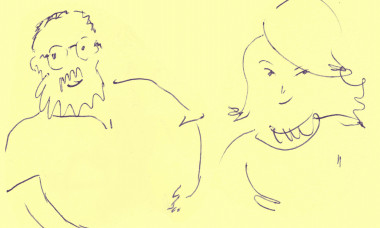
Tour of the exhibition "Maison-Main" with curators Anne-Laure Lestage and Christian Rizzo.
Visite
Tout public